SAME DAY ESTIMATES AVAILABLE
CALL FOR A FREE ESTIMATE
(440) 457-7064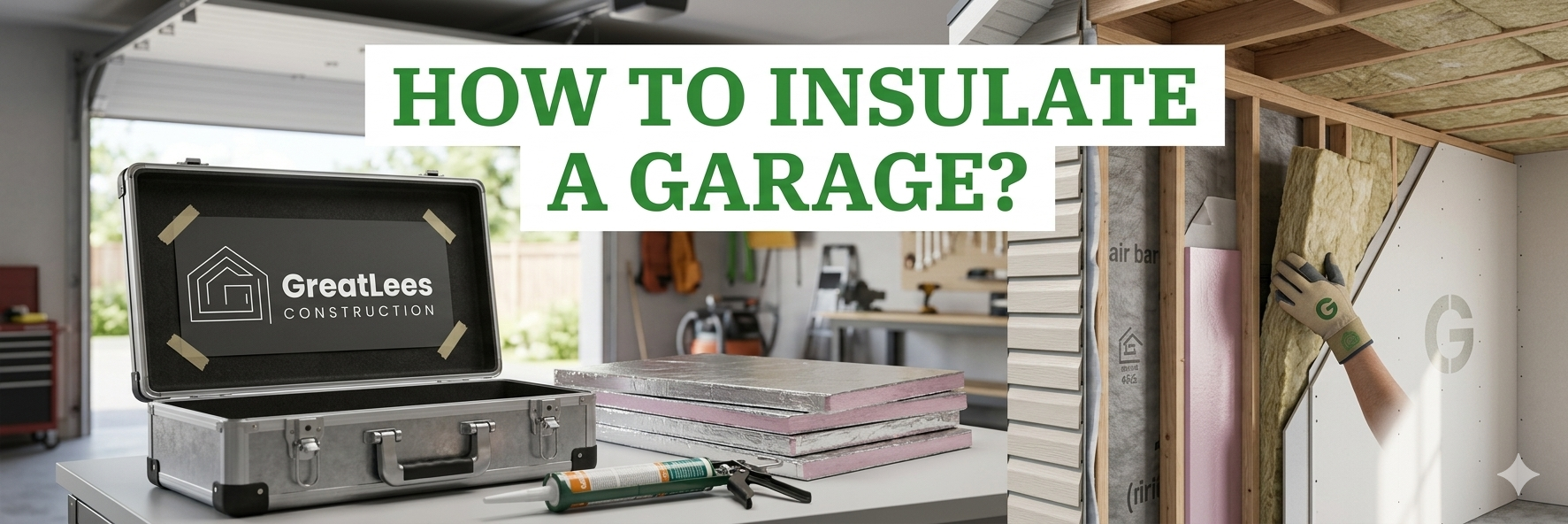
March 24, 2026
Insulating a garage is one of the most effective ways to improve your home’s comfort, energy efficiency, and usability. Whether you’re using your garage as a workspace, storage area, or simply to protect your vehicle, proper insulation can completely transform the space.
In this comprehensive guide, you’ll learn everything about garage insulation—from materials and preparation to step-by-step installation and expert tips—without any unnecessary complexity. Whether you’re using your garage as a workspace, storage area, or simply to protect your vehicle, proper insulation can completely transform the space.
Many garages are built without insulation, making them one of the weakest points in a home’s thermal envelope. This leads to extreme temperature fluctuations and energy loss. Whether you’re using your garage as a workspace, storage area, or simply to protect your vehicle, proper insulation can completely transform the space.
Insulation helps stabilize indoor temperatures by reducing heat transfer. In hot weather, it keeps the garage cooler, and in cold weather, it retains warmth. Whether you’re using your garage as a workspace, storage area, or simply to protect your vehicle, proper insulation can completely transform the space.
If your garage is attached to your home, uninsulated walls can allow heat or cold air to transfer into adjacent rooms. This forces your HVAC system to work harder. Whether you’re using your garage as a workspace, storage area, or simply to protect your vehicle, proper insulation can completely transform the space.
If you use your garage as a gym, workshop, or office, insulation makes the space usable throughout the year. Whether you’re using your garage as a workspace, storage area, or simply to protect your vehicle, proper insulation can completely transform the space.
Insulation absorbs sound, reducing noise from tools, vehicles, and outside traffic. Whether you’re using your garage as a workspace, storage area, or simply to protect your vehicle, proper insulation can completely transform the space.
Extreme temperatures can damage items like paint, tools, batteries, and electronics. Insulation helps maintain a safer environment. Whether you’re using your garage as a workspace, storage area, or simply to protect your vehicle, proper insulation can completely transform the space.
Choosing the right insulation material is crucial for performance and durability.
This is the most widely used option. Whether you’re using your garage as a workspace, storage area, or simply to protect your vehicle, proper insulation can completely transform the space.
Advantages:
Limitations:
Best Use: Walls and ceilings.
These are solid panels made from materials like polystyrene.
Advantages:
Limitations:
Best Use: Garage doors, walls, and areas exposed to moisture.
A premium option that expands and seals gaps.
Advantages:
Limitations:
Best Use: Maximum efficiency and air sealing.
Designed to reflect heat rather than absorb it.
Advantages:
Limitations:
Best Use: Garage doors and heat-prone areas.
Preparation is essential for effective insulation.
Proper preparation ensures better adhesion and performance.
Walls are the primary area where insulation makes the biggest difference.
Make sure insulation fills the entire cavity evenly without gaps.
Garage doors are often thin and allow significant heat loss.
After adding insulation, check the door’s operation. Additional weight may require adjustments.
Ceiling insulation is especially important if there is a room above the garage.
This step significantly reduces heat transfer between floors.
Air sealing is just as important as insulation itself.
Sealing these gaps prevents drafts and improves overall efficiency.
Windows can be a weak point if left untreated.
For a quick fix, use insulation film. For long-term performance, consider upgrading windows.
Always seal gaps and cracks first. Insulation alone cannot stop airflow.
The effectiveness of insulation depends on its R-value. Select based on your climate conditions.
Compressed insulation loses its effectiveness and reduces performance.
Moisture can damage insulation and lead to mold. Always fix leaks before installation.
Use drywall or another covering to improve safety and durability.
Using different materials in different areas can improve overall performance. For example:
In humid environments, this helps prevent moisture buildup inside walls.
Proper airflow prevents condensation and improves air quality.
If you plan to convert your garage into a living space, invest in higher-quality insulation.
Failing to clean and seal surfaces reduces insulation effectiveness.
Even with insulated walls, an uninsulated door can lead to major heat loss.
Not all insulation types work in every environment.
Gaps, compression, and improper fitting reduce performance.
Always handle insulation materials properly and use protective gear.
While many homeowners can handle garage insulation as a DIY project, professional installation may be better if:
Professionals ensure proper installation and long-term performance.
Insulating your garage is a practical and valuable improvement.
The improvement in comfort and usability is noticeable almost immediately.
Garage insulation is more than just a home improvement project—it’s an investment in comfort, efficiency, and functionality. By properly insulating walls, ceilings, doors, and sealing air leaks, you can transform your garage into a usable, comfortable space throughout the year.
The key to success lies in proper preparation, choosing the right materials, and careful installation. Whether you take a DIY approach or hire a professional, the benefits of insulation are long-lasting and impactful.
At Great Lees Construction, we design and build high-quality outdoor structures for homeowners across Ohio. Whether you need a durable garage, a practical storage shed, or a spacious barn, our team delivers expert craftsmanship and long-lasting materials.
Looking for strong and reliable garages? We build custom garages in Ohio that provide secure parking, extra storage, and long-term durability for your property.
Learn MoreNeed additional storage space? Our storage sheds in Ohio are perfect for tools, lawn equipment, and backyard organization while enhancing your property’s appearance.
Explore ShedsOur team specializes in building custom barns in Ohio designed for farming, livestock, equipment storage, and multi-purpose rural use.
View Barns
Veteran Owned & Operated Since 2017
4.1 Average Rating (31 Reviews)
17601 W 130th St Suite #4
North Royalton, OH 44133
Monday - Friday: 8:00 AM - 5:00PM